



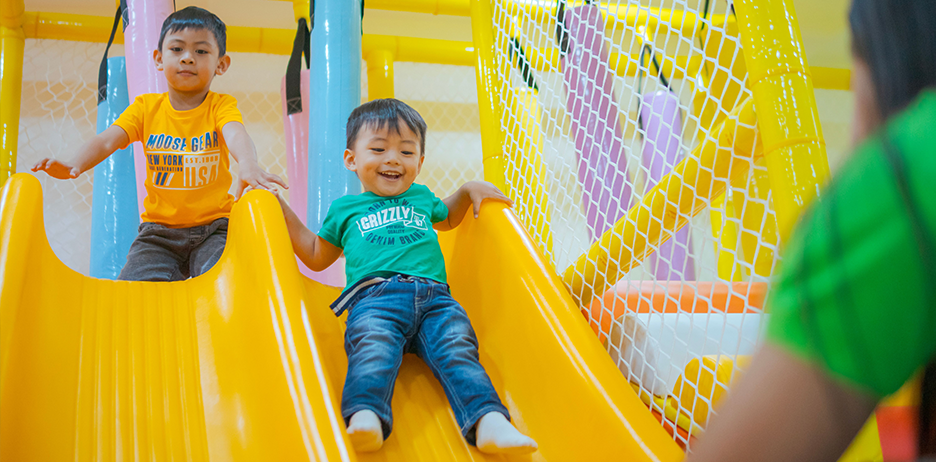
Mention an indoor playground to someone who grew up visiting fast-food restaurants, family entertainment centers, or indoor play facilities, and there is a good chance they remember more than the slides and tunnels.
They may remember sticky surfaces, crowded play structures, questionable ball pits, and the inevitable question from a parent: "When was this thing last cleaned?"
Over time, indoor playgrounds developed an unfortunate reputation for being difficult to keep clean. For some parents and facility operators, that reputation became reason enough to prefer outdoor playgrounds or eliminate indoor play areas altogether.
But perhaps we have been asking the wrong question.
Instead of asking whether indoor playgrounds are sanitary, we should be asking how well an indoor playground is being maintained.
After all, children still need opportunities to climb, crawl, slide, explore, and burn off energy—even when it is 95 degrees outside, pouring rain, freezing cold, or simply uncomfortable to spend an extended period outdoors.
A well-planned commercial indoor playground can provide exactly that opportunity.
How Did Indoor Playgrounds Get Such a Bad Reputation?
The concern about germs on indoor playgrounds isn't entirely unreasonable.
Children touch practically everything when they play. Hands move from railings to slides, activity panels, tunnels, climbing components, floors, faces, and back again. Put dozens of children in the same play environment, and there are naturally plenty of high-touch surfaces.
Public health guidance recommends regular attention to high-touch surfaces, particularly in spaces that experience heavy use. That means indoor playgrounds require an intentional cleaning and maintenance program.

But that is very different from saying indoor playgrounds are inherently unsanitary.
A restaurant kitchen can be dirty if it isn't cleaned. A fitness center can be dirty if its equipment isn't maintained. A hotel room can be dirty if proper housekeeping procedures aren't followed.
A Modern Indoor Playground Needs a Modern Cleaning Plan
Rather than eliminating indoor play spaces because children touch the equipment, commercial facilities can address the concern directly with a documented cleaning and inspection program.
That means treating playground maintenance as an operating responsibility rather than something that happens only when equipment looks dirty.
Building a Better Playground Cleaning Routine
- Regularly clean frequently touched playground surfaces.
- Give additional attention to high-traffic areas.
- Clean visibly dirty surfaces as needed throughout operating hours.
- Use cleaning, sanitizing, or disinfecting products appropriate for the surface and situation.
- Follow playground manufacturer recommendations for cleaning products and maintenance.
- Keep food and beverages outside designated play areas.
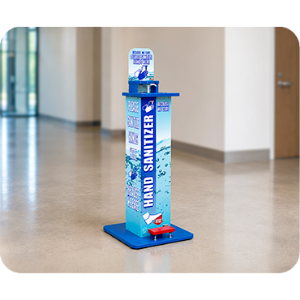
- Provide convenient handwashing or hand-sanitizing opportunities.
- Perform visual safety inspections while employees clean the equipment.
- Maintain a written cleaning schedule so responsibilities are clear.
Cleaning and inspection can work together. Employees who routinely move through a playground to clean high-touch surfaces are also in a good position to notice loose components, unusual wear, damage, or other conditions that may need attention.
For a deeper look at establishing an inspection routine, read our guide on how often playground equipment should be inspected.
But What About the Benefits of Playing Outside?
 Indoor playgrounds shouldn't be viewed as a replacement for outdoor play.
Children benefit tremendously from spending time outside. Outdoor playgrounds provide fresh air, open space, exposure to nature, and opportunities for physical activity.
When conditions are favorable, going outside and playing is difficult to beat.
The problem is that conditions aren't always favorable.
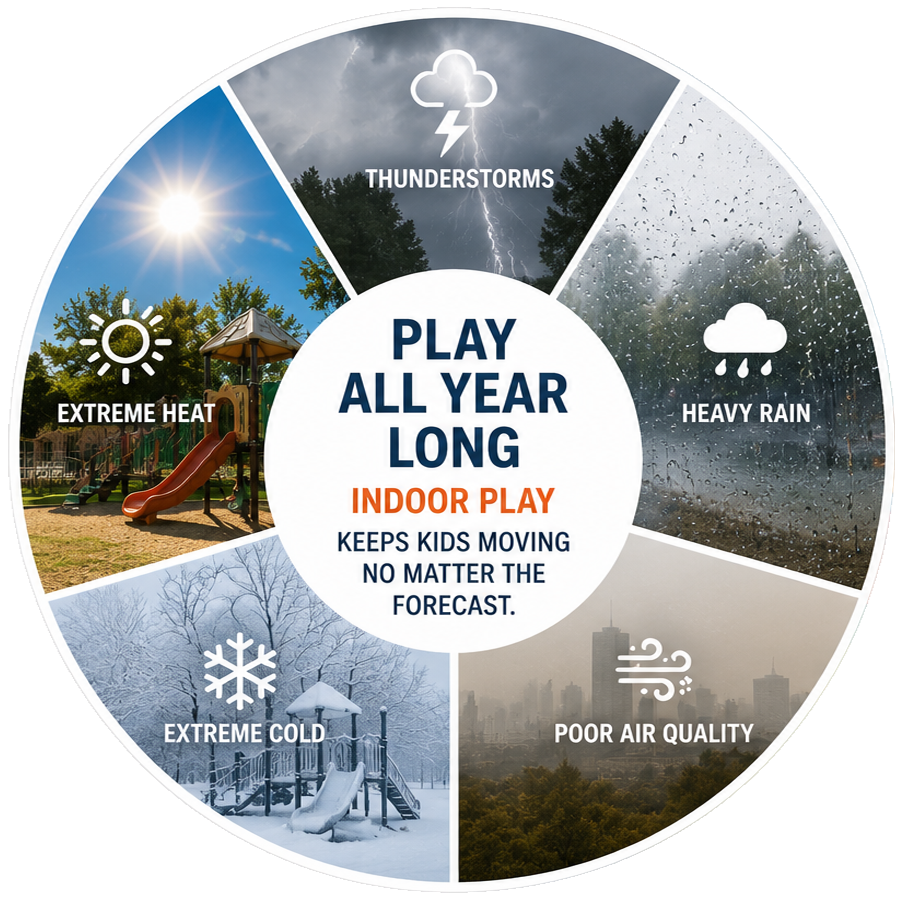
Temperatures climb. Playground surfaces heat up. Thunderstorms arrive. Heavy rain soaks the play area. Winter weather can make outdoor play impractical in colder climates. Poor air quality can occasionally limit outdoor activity as well.
That creates a question for schools, childcare centers, churches, restaurants, hotels, recreation centers, and other family-oriented facilities:
That's where an indoor playground becomes especially valuable.
When It's Too Hot Outside, Bring Play Inside
Heat deserves particular attention.
Children don't stop needing physical activity because summer arrives. However, hot weather can change when and how comfortably outdoor activities can take place. Direct sunlight, high humidity, and playground surfaces heated by the sun can all affect the outdoor play experience.
The CDC recommends planning outdoor play around heat conditions, including providing shade and water breaks and, on hot days, avoiding outdoor activities from late morning through midafternoon when the sun is strongest.
Climate-Controlled Play Keeps Kids Moving
An air-conditioned indoor playground gives children another option when summer conditions make extended outdoor play difficult. They can still climb, slide, crawl, balance, explore, socialize, and expend energy—without relying entirely on favorable outdoor conditions.
For facilities in particularly hot and humid regions, this can turn indoor playground equipment from a recreational amenity into a practical part of providing year-round play.
Indoor Play Isn't Just a Summer Solution
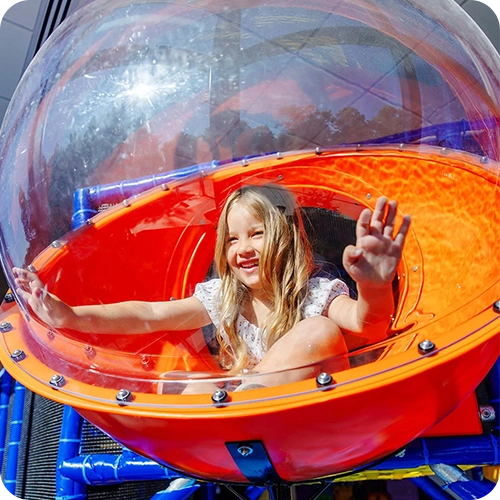 Extreme heat may be one of the strongest arguments for indoor play, but it certainly isn't the only one.
Imagine a childcare center during a week of thunderstorms. A recreation facility during a freezing winter afternoon. A hotel during a rainy vacation day. A restaurant filled with families when outdoor temperatures are uncomfortable.
Weather can disrupt outdoor recreation throughout the year.
An indoor playground provides consistency.
Instead of making active play entirely dependent upon the forecast, facilities can provide a dedicated environment where children have an opportunity to move regardless of what is happening outside.
Today's Indoor Playground Can Be More Than a Ball Pit
The stereotypical indoor playground is often imagined as a giant maze of plastic tubes with a ball pit somewhere underneath.
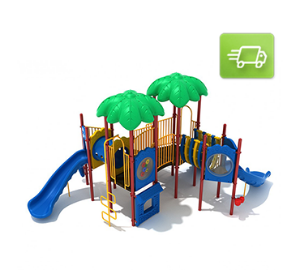
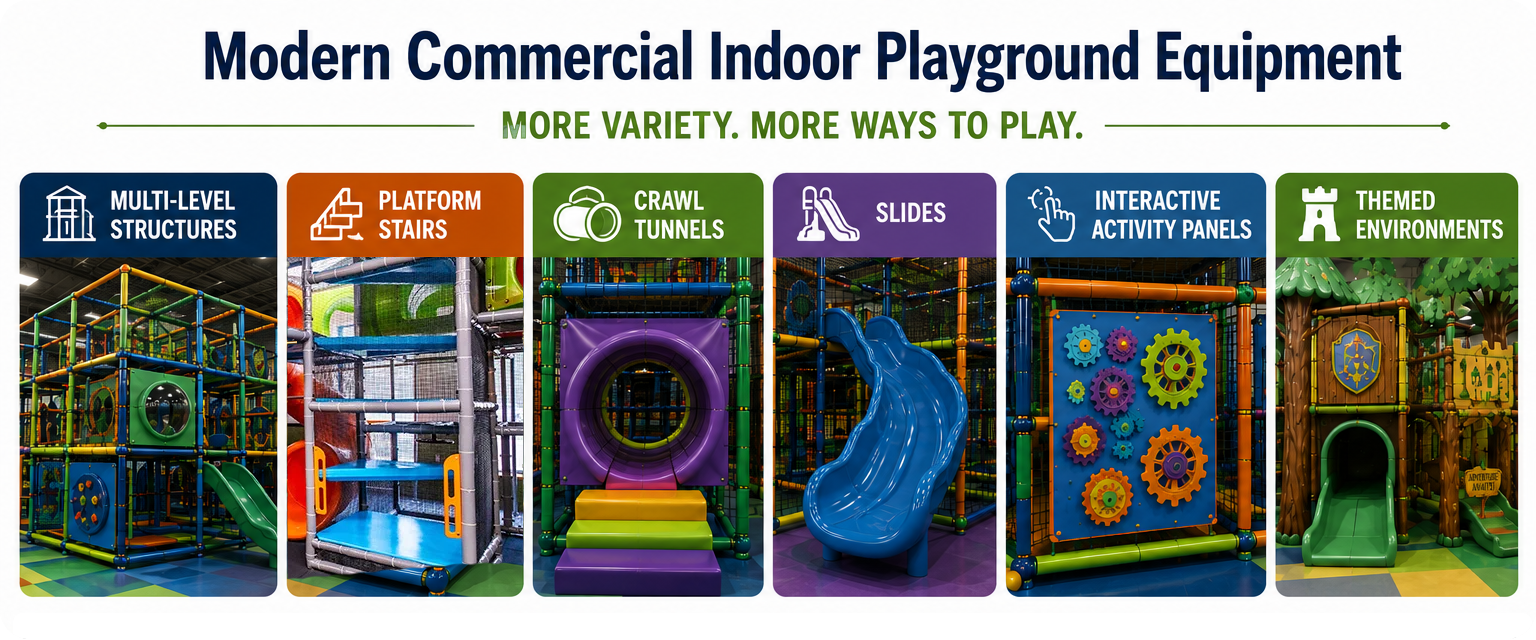
Modern commercial indoor playground equipment can offer considerably more variety, including multi-level structures, platform stairs, crawl tunnels, slides, interactive activity panels, and themed environments. Compact systems can also provide active play when a facility doesn't have room for an enormous play structure.
Some systems emphasize physical activity. Others combine movement with interactive and imaginative play. Larger structures can create an entire indoor destination, while smaller playgrounds can transform otherwise underused square footage into a valuable family amenity.
The goal isn't simply to occupy children.
A thoughtfully selected playground encourages them to move, explore, interact, and play.
Where Does Commercial Indoor Playground Equipment Make Sense?
Indoor playgrounds may be associated most closely with restaurants and family entertainment centers, but their potential applications extend much further.
Childcare Centers & Preschools
Indoor equipment can supplement outdoor playgrounds and provide another option for active play when weather interrupts outdoor schedules.
Restaurants & Family Businesses
A dedicated children's play area can make a facility more accommodating to families while giving children an active way to spend part of their visit.
Churches & Religious Facilities
Indoor playgrounds can support children's ministries, weekday programs, community events, nurseries, and family gatherings.
Community & Recreation Centers
A commercial playground can turn indoor recreational space into an attraction that remains useful throughout the year.
Hotels & Resorts
When rain or extreme temperatures interfere with outdoor amenities, indoor play gives younger guests another recreational option.
Schools & Educational Facilities
Indoor equipment can supplement other recreational spaces and provide another environment for movement, social interaction, and play.
Schools planning a larger recreation program can also explore our selection of commercial playground equipment for schools, including playground options designed for different ages and activity needs.
Indoor vs. Outdoor Play: Why Not Have Both?
Perhaps the biggest mistake is treating indoor and outdoor playgrounds as competitors.
They solve different problems.
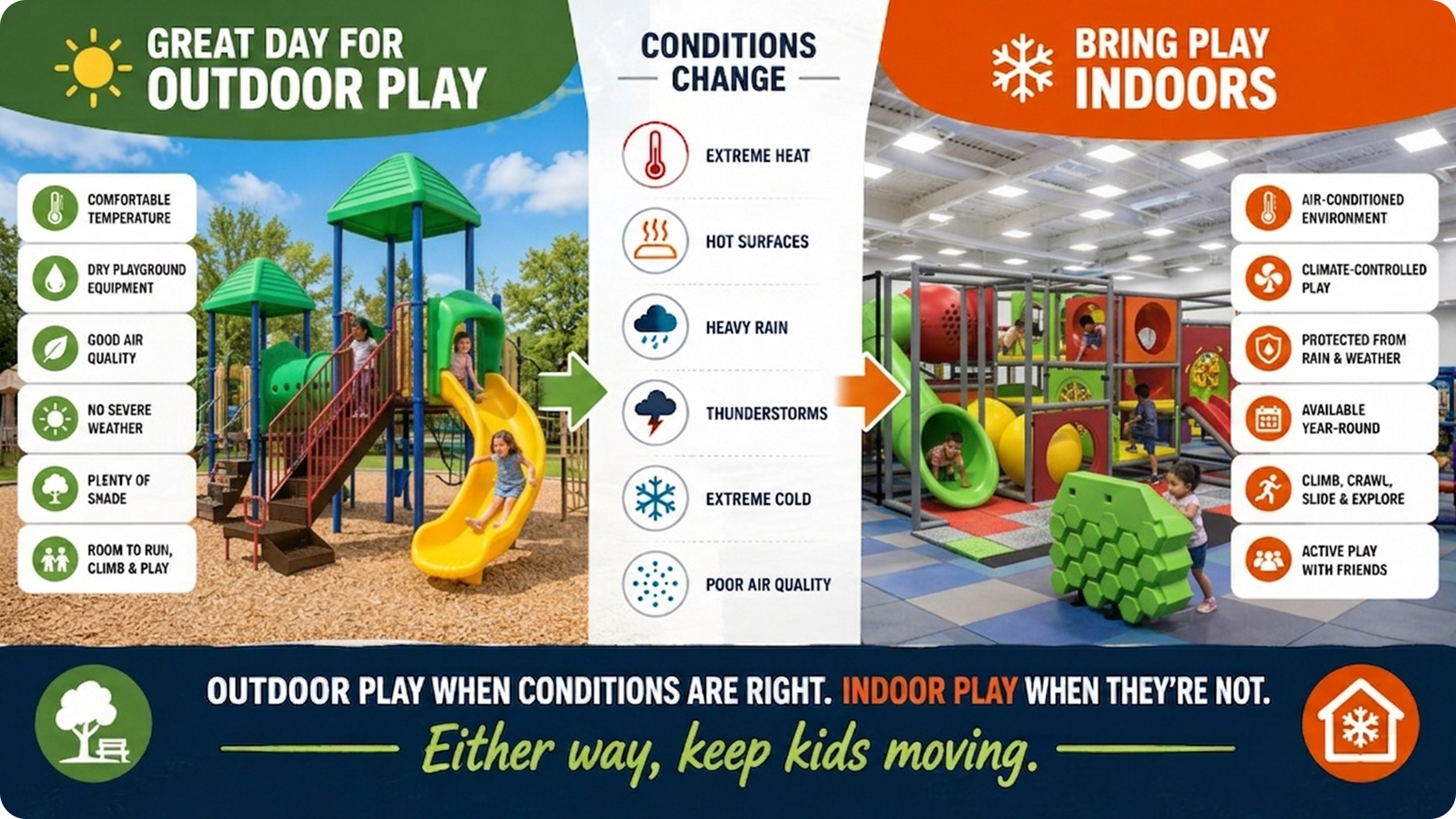
Indoor and outdoor playgrounds can complement each other by providing active play opportunities in different conditions.
Outdoor Playgrounds
- Open-air recreation
- Natural light and outdoor surroundings
- Opportunities for larger play environments
- Ideal when weather conditions cooperate
- Can become part of parks, schools, and community recreation areas
Indoor Playgrounds
- Climate-controlled environment
- Protection from rain and severe weather
- Consistent year-round availability
- Useful during extreme heat or cold
- Can turn interior commercial space into an active-play destination
A facility fortunate enough to provide both can use them as complementary recreational environments.
When the weather is beautiful, head outside.
When temperatures soar, storms roll in, or conditions make outdoor play uncomfortable, bring the fun indoors.
What Should Facilities Consider Before Adding an Indoor Playground?
A commercial indoor playground is a significant investment, so choosing one should involve more than finding a structure that fits the room.
Available Space
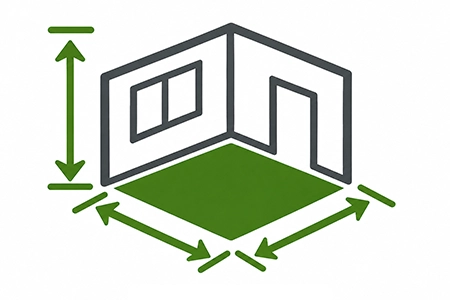
Measure usable floor area and ceiling height while accounting for clearances and circulation.
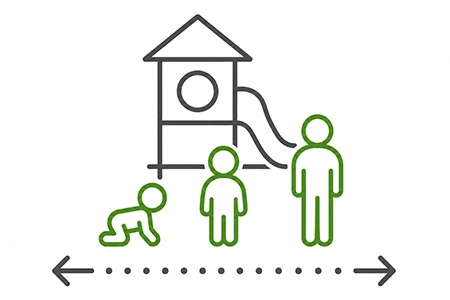
Age Range
Choose equipment appropriate for the children expected to use the facility.
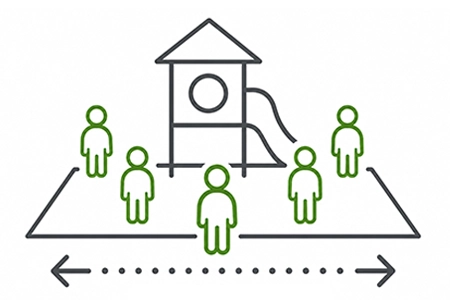
Play Capacity
Consider how many children may use the playground during peak periods.
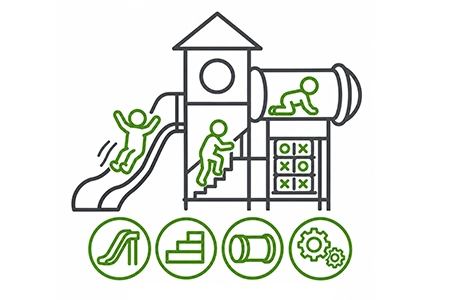
Type of Play
Think about slides, tunnels, activity panels, imaginative features, and other desired play experiences.
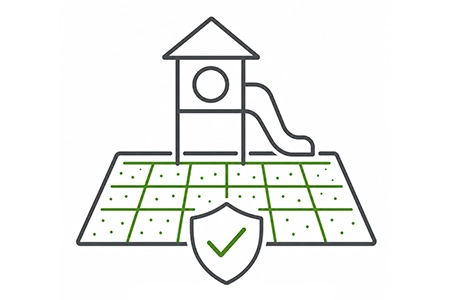
Safety Surfacing
Indoor installation does not eliminate the need to consider falls and appropriate surfacing.
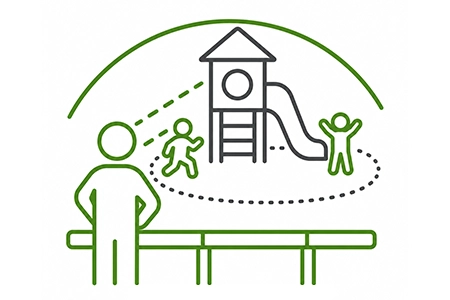
Visibility & Supervision
Consider how parents, caregivers, and employees will monitor the play environment.
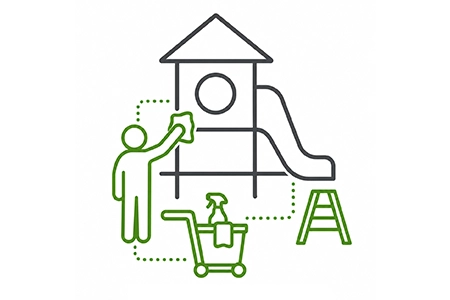
Cleaning Access
Make sure employees can reasonably reach surfaces and components requiring routine attention.
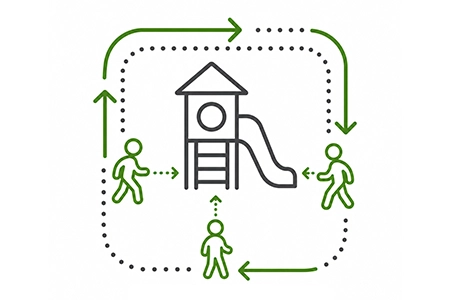
Traffic Flow
Entrances, exits, seating, restrooms, and other facility features should complement the playground layout.
Although indoor and outdoor installations involve different site considerations, many of the same planning principles apply. Facilities considering additional outdoor recreation can also review our guide to planning and preparing an outdoor space for playground equipment installation.
Maybe Indoor Playgrounds Deserve Another Chance
 The old reputation of the indoor playground is difficult to shake.
For some people, the phrase will probably always conjure memories of mysterious ball pits and sticky slides.
But those memories shouldn't determine whether indoor play has a place in today's commercial facilities.
Children still need opportunities to move. They still want to climb, crawl, slide, explore, imagine, and play with other children.
And sometimes the weather simply doesn't cooperate.
The better question isn't whether indoor playgrounds can get dirty. Any heavily used children's environment requires maintenance.
The question is whether facilities can create indoor play spaces that are thoughtfully designed, routinely cleaned, properly maintained, and operated with today's expectations for cleanliness and safety in mind.
They can—and when that happens, an indoor playground offers something increasingly valuable: a place where children can play hard without the weather deciding whether playtime happens at all.
And when that happens, an indoor playground offers something increasingly valuable: a place where children can play hard without the weather deciding whether playtime happens at all.
Bring Active Play Indoors
Explore commercial indoor playground systems for schools, childcare centers, churches, recreation facilities, hotels, family entertainment businesses, and other high-use indoor environments.
Shop Commercial Indoor Playground Equipment



Leave your comment