





Swing sets have been a staple of playground design for generations, but today's commercial swing systems offer far more options than the traditional belt swing found on older playgrounds. Modern parks, schools, apartment communities, HOAs, churches, municipal recreation facilities, and campgrounds can choose from multiple swing seat styles, frame designs, accessibility options, and capacity configurations.
For many playground projects, swings become one of the most frequently used pieces of equipment. Children are often willing to wait in line for a swing even when other playground components are available. Because of their popularity, selecting the right swing configuration can significantly impact playground usage, user satisfaction, and long-term value.
The challenge is determining which combination of swing seats and frame styles best serves the users who will visit the playground. A daycare center has different needs than a community park. An apartment community playground serves different users than an elementary school. Understanding the available options can help buyers create a swing area that accommodates more users while supporting safety, accessibility, and future growth.
What Problem Are Buyers Trying to Solve?
When planning a new playground or replacing existing equipment, most buyers are not simply looking for a swing set. They are trying to determine which swing types should be included, how many swings are needed, what age groups will use the playground, whether adaptive or inclusive swings should be included, which frame style works best for the available space, and how the playground can accommodate future growth.
The most successful playground projects answer these questions before selecting equipment. A swing set that works well for a small HOA playground may not provide enough capacity for a busy school or public park. Likewise, a playground designed for toddlers will require a different seat mix than one intended for older children and families.
How to Choose the Right Commercial Swing Set
Consider the Age Groups You Serve
The first step is identifying who will use the playground. Different swing types serve different age groups. Toddlers typically require bucket swings, while school-age children often prefer belt swings and tire swings. Mixed-age playgrounds benefit from multiple swing styles, and inclusive playgrounds often include adaptive and nest swings.
A playground that serves only one age group may not need every swing style. However, facilities serving families often benefit from providing a variety of options so younger children, older children, and users with different ability levels can all participate.
Evaluate Accessibility Goals
Modern playground planning increasingly focuses on inclusive play opportunities. Many municipalities, schools, and community organizations are adding adaptive and inclusive play elements to ensure more children can participate in playground activities.
Common inclusive swing options include adaptive swings, nest swings, and accessible pathways leading to the swing area. Including these options during the initial planning phase is often easier than trying to retrofit the playground later.
Determine Capacity Requirements
One of the most common mistakes is underestimating how many swings will be needed. Swings are often among the most popular playground features, especially at schools, parks, and family-oriented recreation areas.
As a general planning guideline, a small HOA playground may only need 2 to 4 swing positions, while an elementary school playground may need 6 to 10 swing positions. A community park may require 8 to 16 swing positions depending on expected traffic, and larger recreation facilities may benefit from multiple swing bays with different seat types.
Consider Site Limitations
Swings require significant clearance areas compared to many other playground components. Before selecting equipment, evaluate the available playground space, existing structures, required use zones, surfacing requirements, shade availability, and future expansion opportunities.
Many playground owners later wish they had reserved more space for additional swings. Planning ahead can reduce the need for expensive layout changes in the future.
Comparing Commercial Swing Types
| Swing Type | Best Age Group | Accessibility | Capacity | Common Applications |
|---|---|---|---|---|
| Belt Seat | 5-12 Years | Limited | High | Parks, Schools, HOAs |
| Bucket Seat | 2-5 Years | Limited | Moderate | Daycares, Preschools, Churches |
| Adaptive Swing | Various Ages | Excellent | Lower | Inclusive Playgrounds, Schools, Parks |
| Nest Swing | Various Ages | Excellent | High | Parks, Schools, Apartment Communities |
| Tire Swing | 5-12 Years | Moderate | Moderate | Parks, Campgrounds, Destination Playgrounds |
Belt Seat Swings
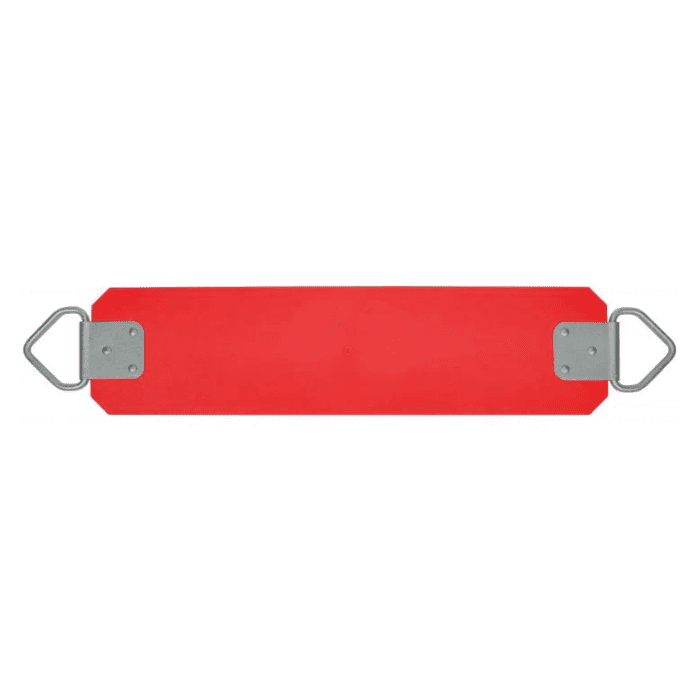
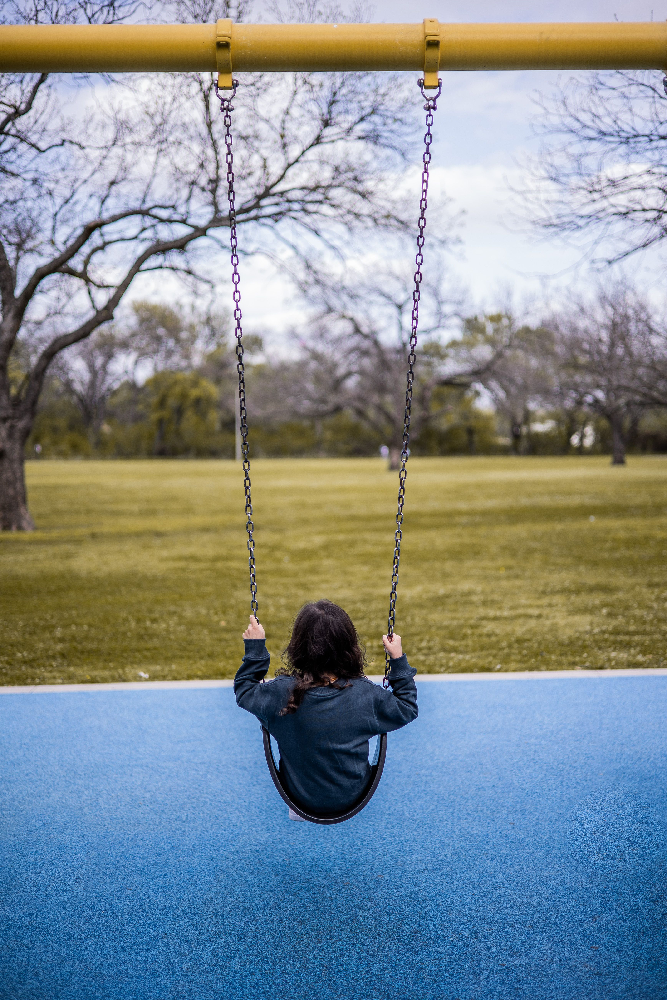
A belt seat swing consists of a flexible metal band encased in rubber or polymer suspended by chains from the swing frame. The seat bends slightly under the user's weight, helping it conform to the rider and provide better support than a rigid seat. This flexibility helps reduce slipping and sliding while creating the traditional swinging experience commonly found in parks and school playgrounds. Commercial belt seats are designed to accommodate school-age children and are available in a variety of materials and colors.
Belt swings are the traditional flexible-seat swings found on many commercial playgrounds. They remain the most common swing style because they accommodate a broad age range and maximize swing capacity.
Buyers often choose belt swings because they appeal to school-age children, allow efficient use of swing bays, require less specialized maintenance, and offer the traditional swinging experience most users expect. For many facilities, belt swings serve as the foundation of the swing area.
Bucket Seat Swings
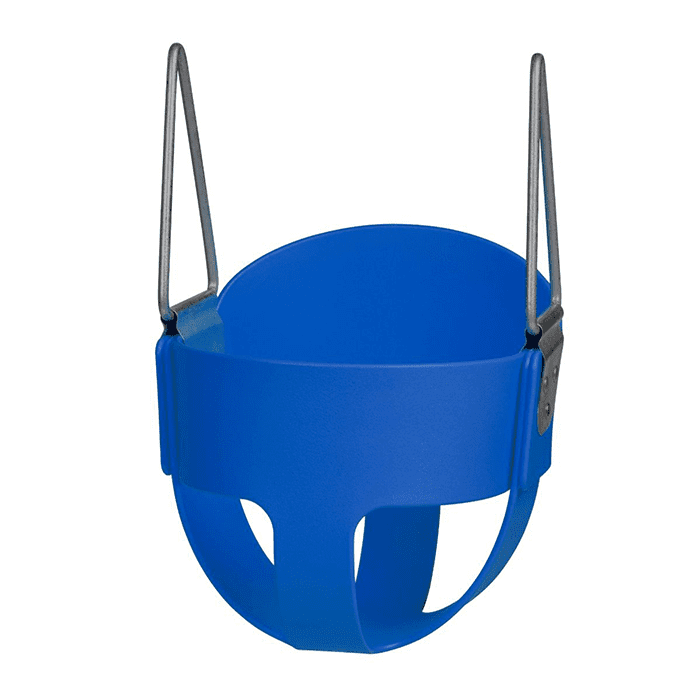
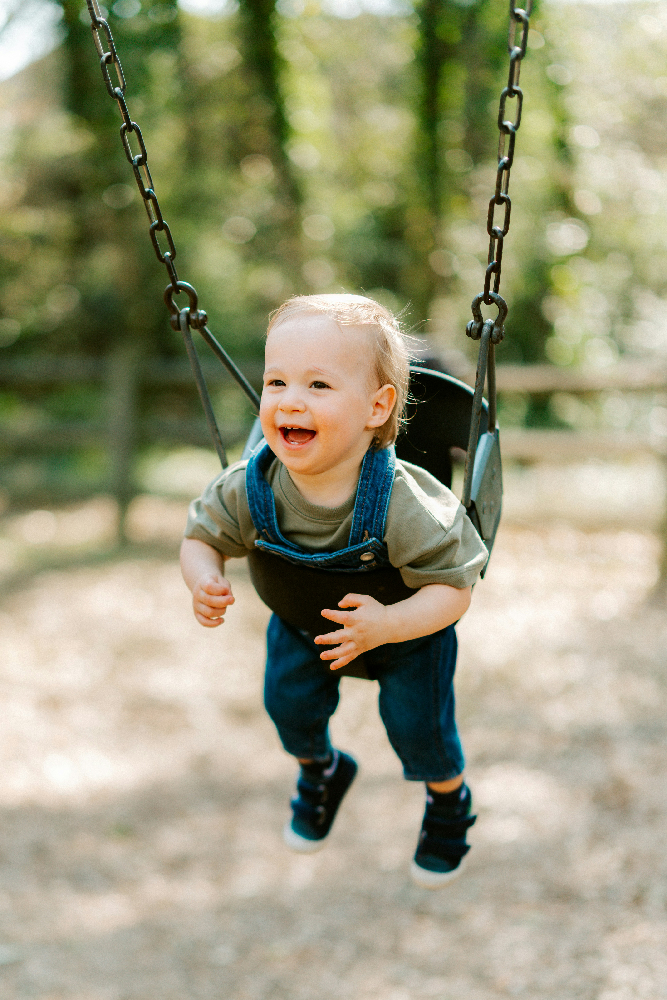
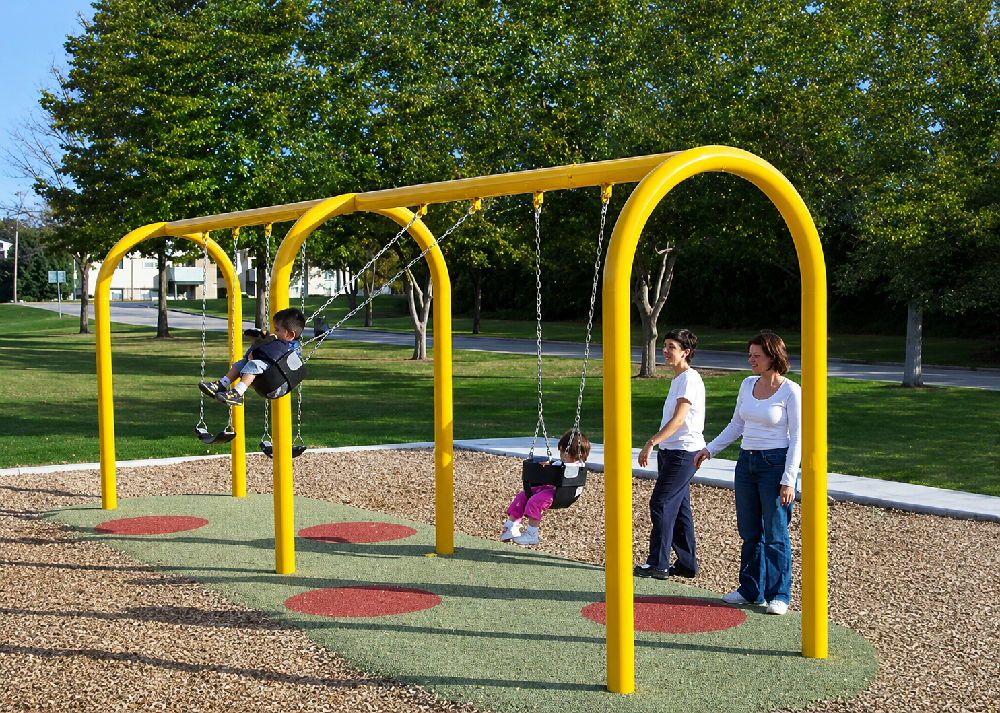
A bucket swing features a molded seat with leg openings and a high back that helps support younger children while swinging. The bucket-like shape helps keep toddlers securely positioned and reduces the likelihood of slipping from the seat. These swings are commonly installed in playgrounds that serve children ages 2 to 5.
Bucket swings provide additional support for infants and toddlers through molded seating and leg openings that help keep younger children securely positioned. These swings are commonly used in daycare centers, preschools, churches, parks, and family-oriented playgrounds.
Facilities serving families frequently install bucket swings because younger children can participate safely, parents specifically seek toddler-friendly equipment, and bucket swings complement traditional belt swings. Many playgrounds include both bucket and belt swings to accommodate siblings of different ages.
Adaptive Swings
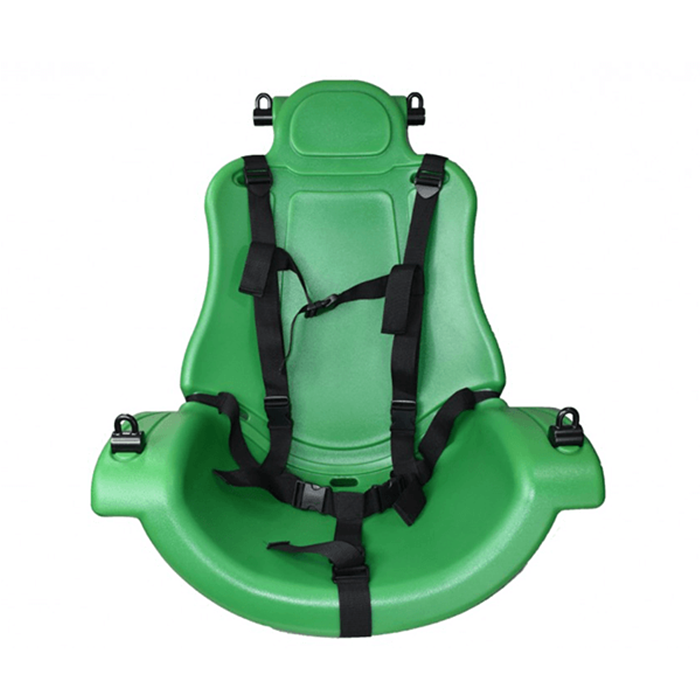
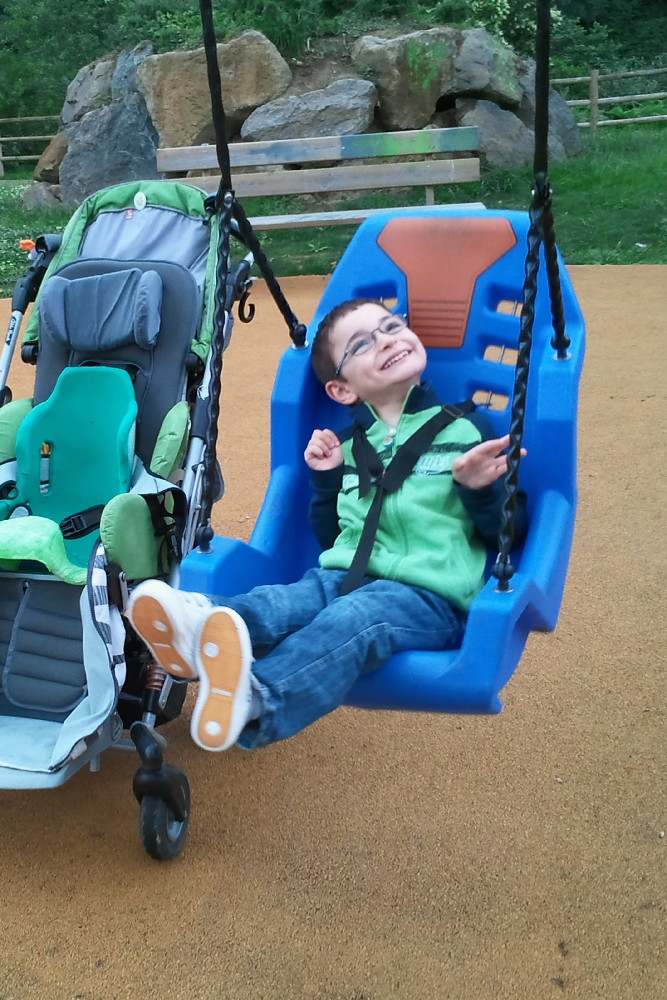
Adaptive swings are specially designed seats that provide additional body support for users who may have difficulty using a traditional swing. Depending on the design, adaptive seats may include higher backs, safety harnesses, side supports, or molded seating surfaces that help improve stability and comfort while swinging.
Adaptive swings are designed to provide additional support and accessibility for children who may not be able to safely use traditional swing seats. These swings are especially important for inclusive playgrounds, schools, public parks, and community recreation areas.
Adaptive swings help facilities expand play opportunities, support inclusive playground goals, accommodate a wider range of users, and improve community accessibility. Municipalities increasingly include adaptive swings as part of broader inclusive playground initiatives.
Nest Swings
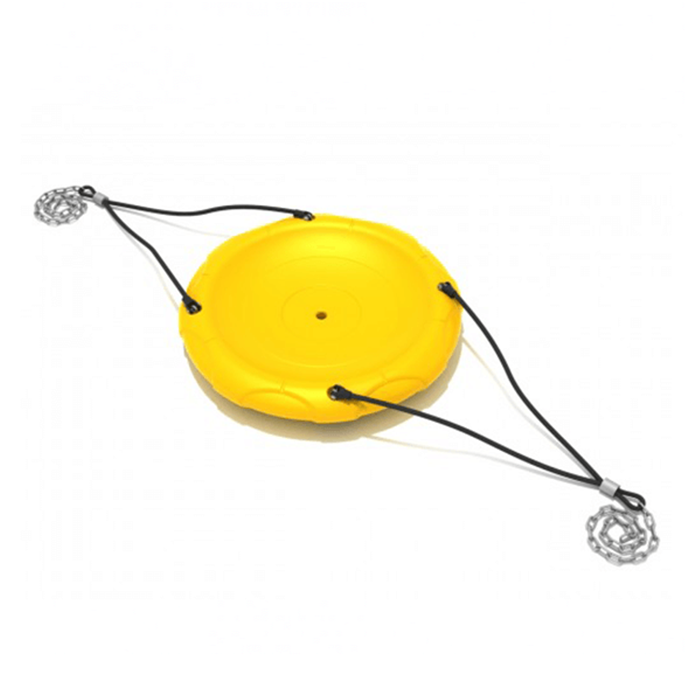
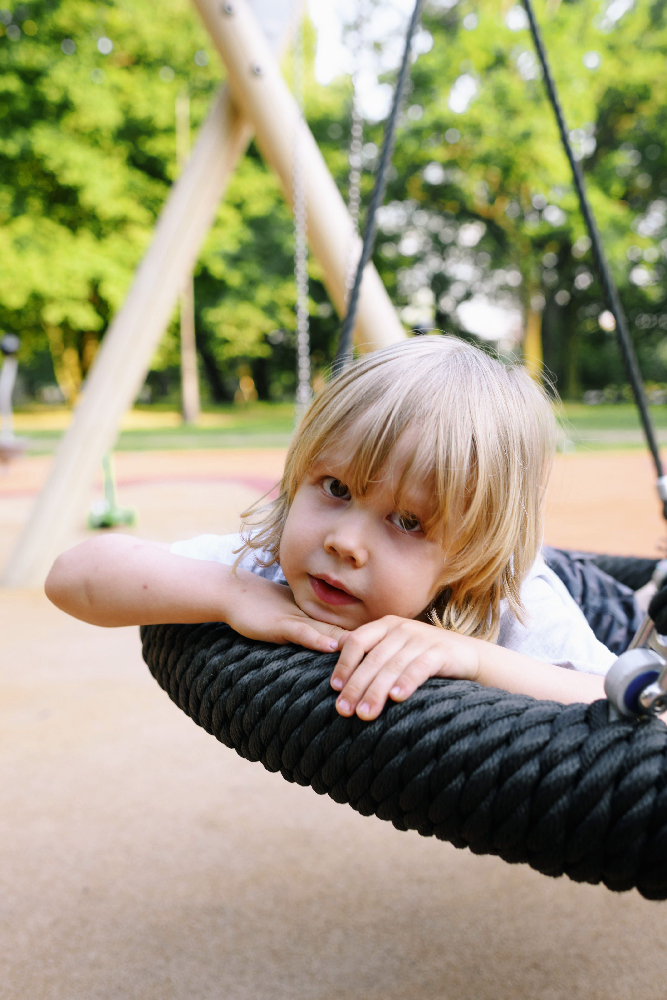
A nest swing features a large circular or oval basket-like seat suspended by multiple attachment points. Instead of sitting on a narrow swing seat, users sit or lie within the basket surface. Many nest swings can accommodate multiple children simultaneously, making them popular for social and inclusive play environments.
These swings have become increasingly popular in commercial playground design because they combine social play with inclusive benefits.
Buyers choose nest swings because they encourage interaction, support inclusive play, accommodate multiple users, and appeal to a broad range of ages. In many parks, school playgrounds, and apartment communities, nest swings become one of the most heavily used features.
Tire Swings
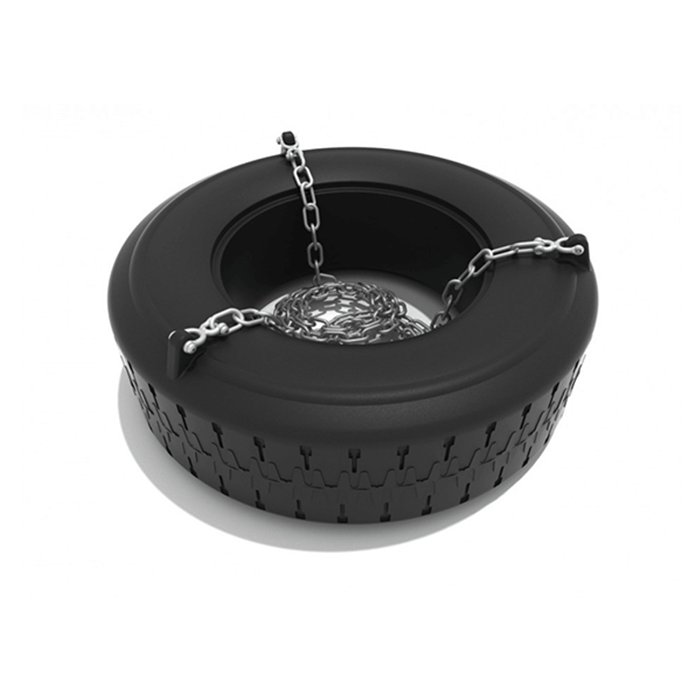
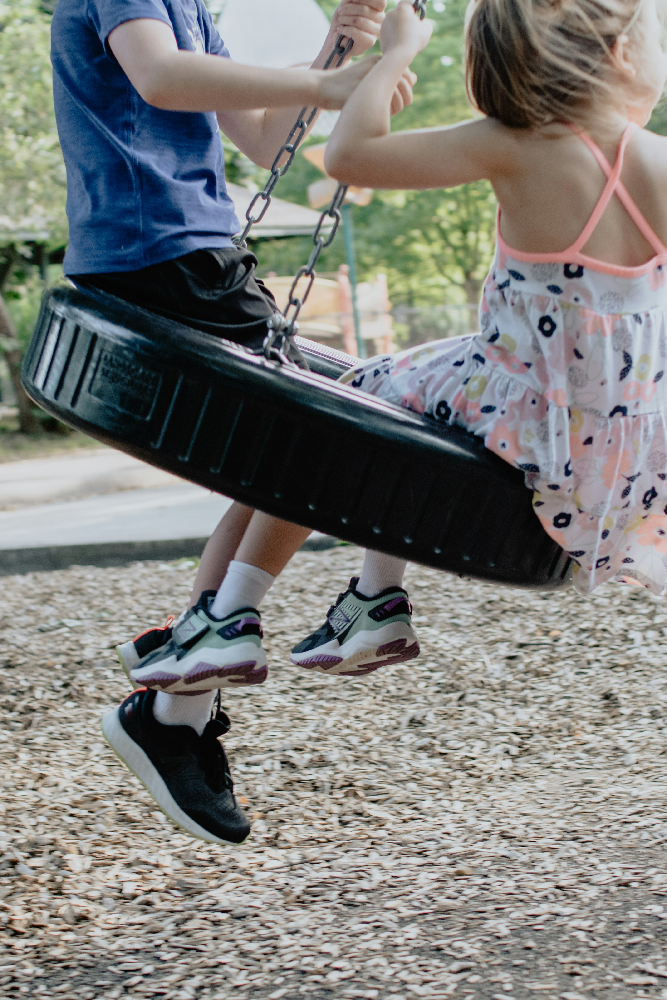
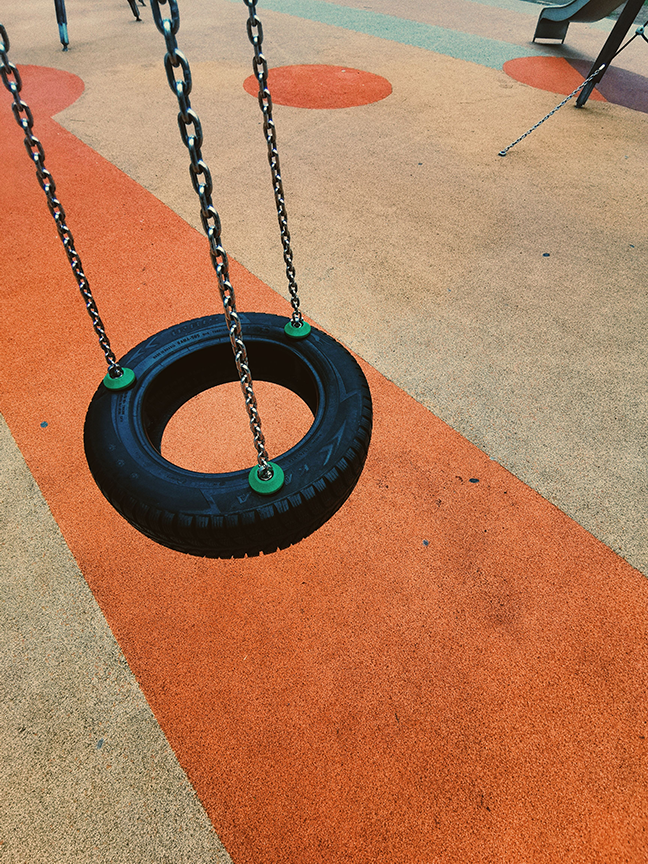
A tire swing utilizes a commercial-grade tire or tire-inspired seat suspended from a specialized frame. Depending on the design, users may sit inside the tire, on top of the tire, or around its perimeter. Unlike traditional swings that primarily move forward and backward, tire swings often rotate and move in multiple directions.
Tire swings are commonly selected because they create a distinctive play experience, encourage cooperative play, add variety to the playground, and attract older children. Many destination playgrounds, campgrounds, and parks include tire swings because they offer something different from standard swing bays.
Which Swing Types Are Most Popular?
While every playground serves a different audience, usage patterns tend to be fairly consistent. Belt swings are often the most used because they provide the traditional swinging motion children expect. Nest swings are also extremely popular because they can accommodate multiple users and encourage social play.
Tire swings often appeal to older children because of their unique movement. Bucket swings are essential for toddlers but serve a narrower age group. Adaptive swings are important for inclusivity and accessibility, even though they may serve a more specific user population.
The ideal swing area usually combines several swing types rather than relying on one style alone.
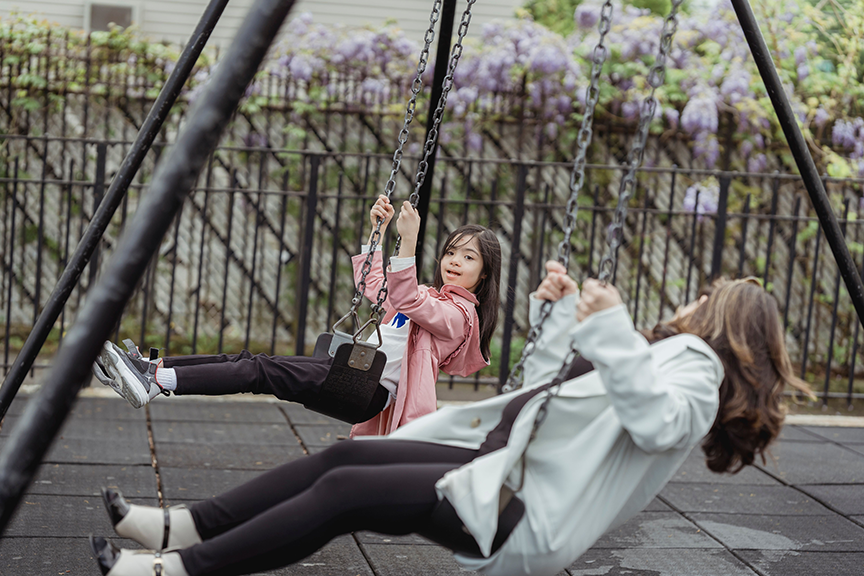
Understanding Commercial Swing Frame Styles
The frame plays a major role in appearance, capacity, expansion opportunities, and project cost. Choosing the right frame style can help improve site layout, support the right number of users, and create the visual appearance desired for the playground.
Bipod Swing Frames 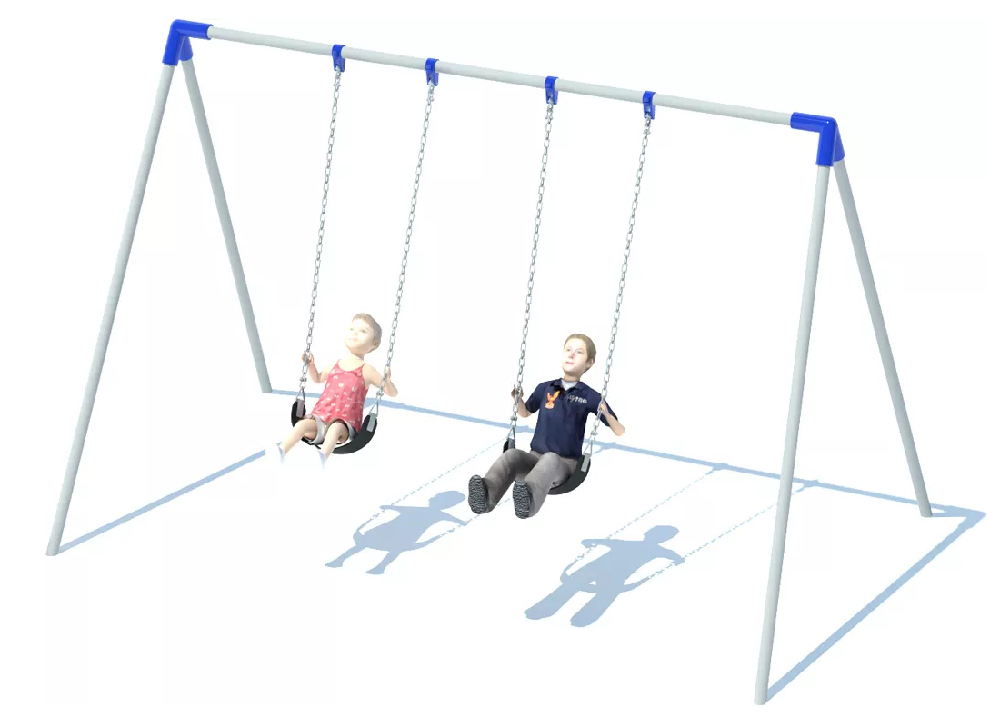
Bipod frames use angled support posts at each end and remain one of the most common commercial swing designs. They are commonly used in schools, parks, HOAs, and general recreation facilities because they offer a practical balance of cost, capacity, and familiarity.
Tripod Swing Frames 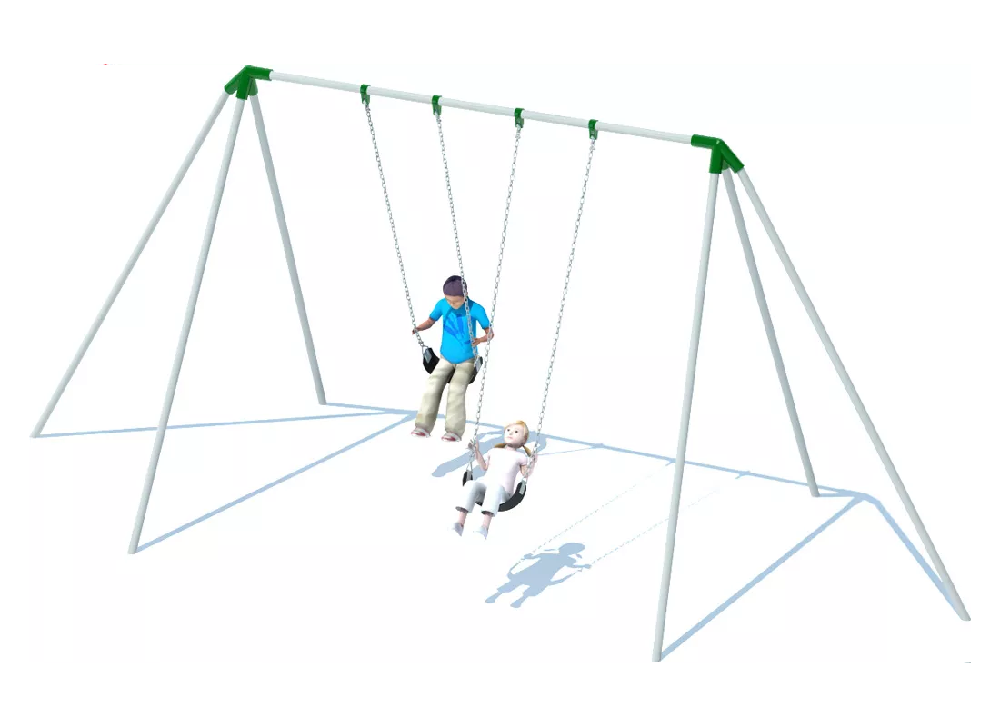
Tripod systems use three support posts at each end, creating a distinctive appearance and additional structural support. These frames are often selected for municipal parks, large playgrounds, and high-use facilities where a more substantial frame design is preferred.
Single-Post Swing Frames 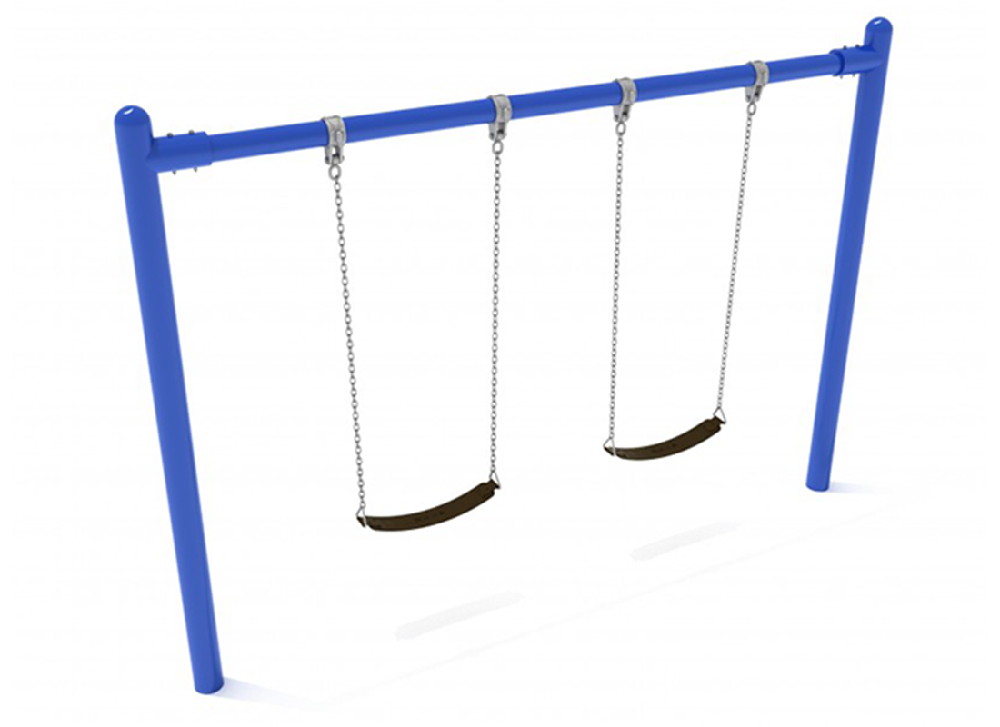
Single-post swing systems create a modern appearance with fewer visual obstructions. They are often used in urban parks, contemporary developments, and space-conscious designs where open sightlines and a cleaner layout are important.
Arched Swing Frames 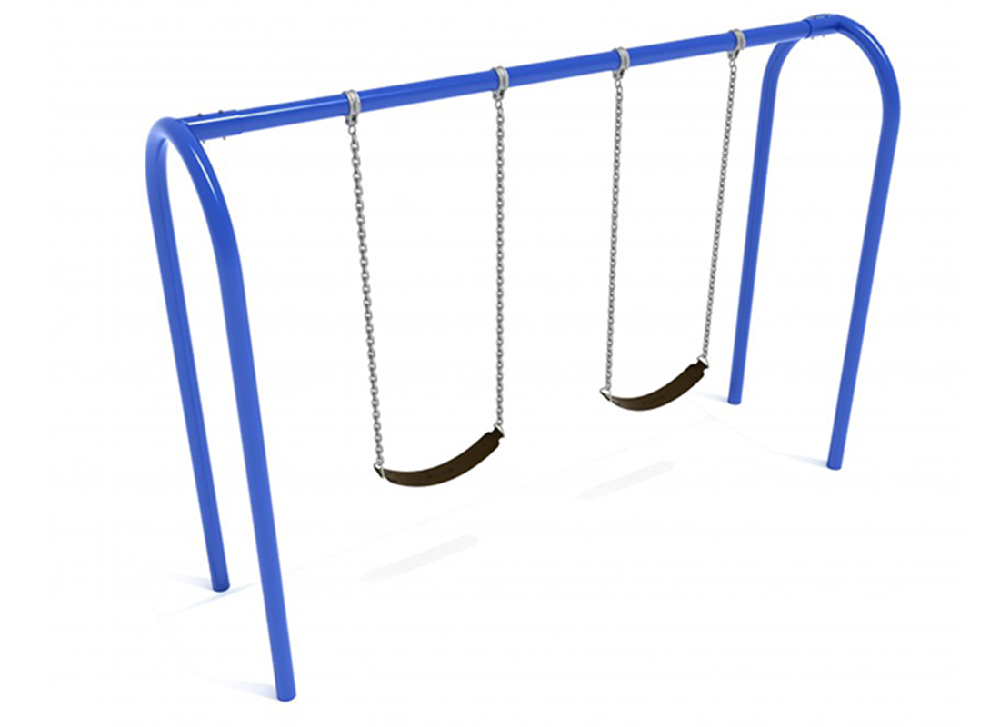
Arched swing systems create a more architectural appearance and often serve as visual focal points. Apartment communities, master-planned communities, municipal parks, and signature playground projects often choose arched swing frames when appearance is an important part of the overall site design.
Shaded Swing Sets 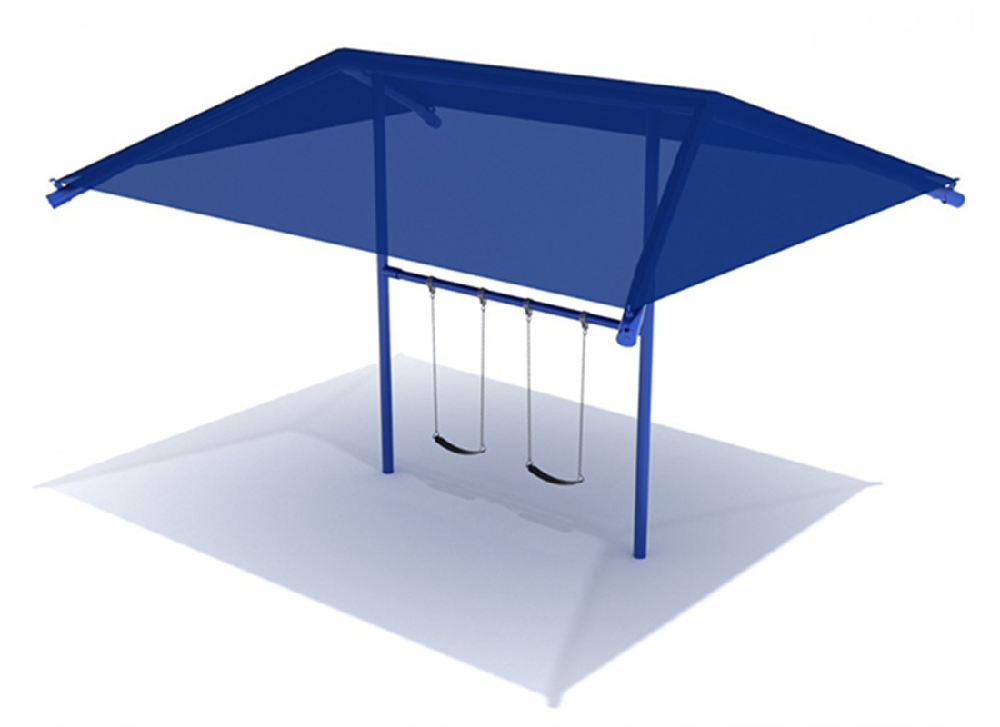
Shaded swings integrate overhead canopy systems that help reduce heat buildup and improve user comfort. They are especially useful in southern climates, school playgrounds, parks with limited tree coverage, and playgrounds that receive direct sun for much of the day.
Multi-Bay Swing Sets 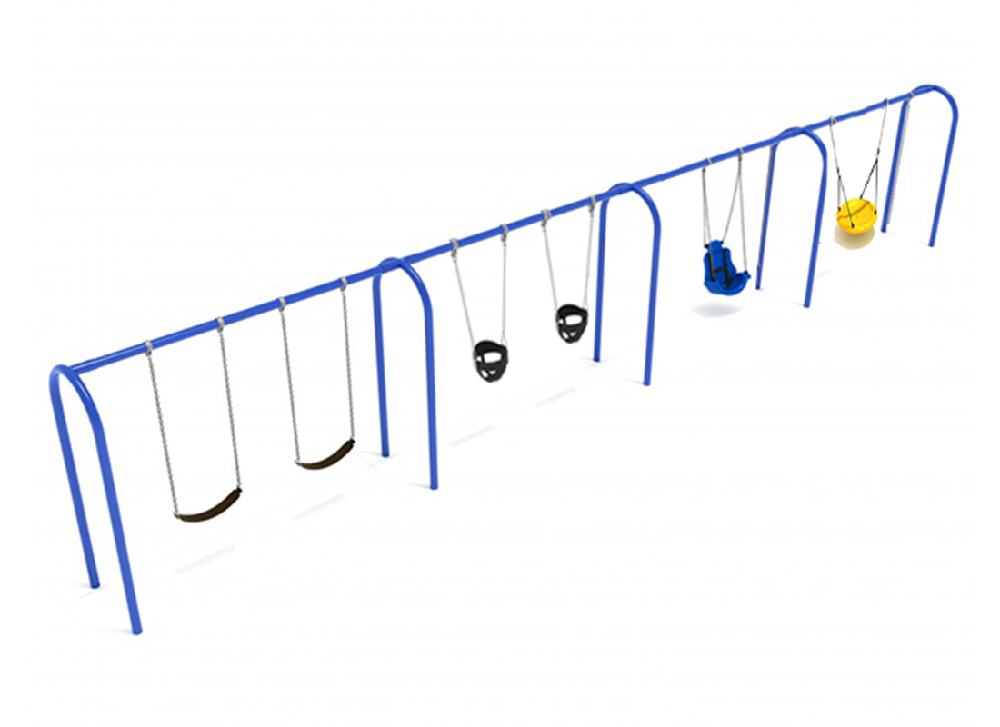
Multi-bay systems combine several swing bays into one structure. These systems are often preferred for community parks, schools, large recreation facilities, and inclusive playgrounds because they can incorporate multiple seat types within the same swing area.
Which Frame Style Is Best?
The best frame style depends on the facility, available space, desired appearance, and expected use level. Schools often benefit from bipod or multi-bay swing frames because they provide capacity and straightforward layouts. Parks frequently use multi-bay or arched frames to accommodate more users and improve visual appeal.
Inclusive playgrounds often benefit from multi-bay frames that can include adaptive swings, nest swings, and traditional belt swings in one area. Apartment communities often benefit from arched, multi-bay, or shaded swing systems because they maximize play value while maintaining an attractive appearance for residents and prospective tenants. For limited spaces, single-post frames may offer a cleaner visual profile and more flexible layout options.
Swing Set Installation Considerations
Safety Surfacing Matters
Because swings generate significant movement and fall potential, surfacing selection is especially important. Common surfacing options include engineered wood fiber, rubber mulch, poured-in-place rubber, and playground tiles.
Each surfacing material offers different maintenance requirements, accessibility benefits, and installation costs. For example, poured-in-place rubber can provide a smooth accessible surface but may have a higher upfront cost, while engineered wood fiber may be more budget-friendly but requires ongoing maintenance to maintain proper depth.
Plan for Use Zones
Swings require some of the largest safety clearances found on commercial playgrounds. Buyers should evaluate forward and rear swing movement, user circulation, nearby playground equipment, fencing, sidewalks, and future expansion opportunities.
As a general planning guideline, the use zone for a swing set should extend at least two times the height of the swing's top rail in both the forward and rear directions. In addition, a minimum clearance of 6 feet should be maintained on each side of the swing structure. These safety zones help reduce the risk of collisions while providing adequate room for children to enter, exit, and use the swings safely.
Failing to account for required use zones can limit future playground upgrades, reduce available space for additional equipment, and create layout challenges once the playground is installed.
Think About Future Expansion
A playground serving 50 children today may serve 100 children in five years. Leaving room for additional swing bays can reduce future renovation costs and make it easier to adapt as the facility grows.
Recommended Swing Configurations by Facility Type
HOA Playground
A small HOA playground may work well with two belt swings, two bucket swings, and a single-bay frame. This provides options for both toddlers and school-age children without overbuilding the swing area.
Elementary School
An elementary school playground may benefit from a shaded swing set with just belt swings ranging from 2 to 4 bays. Maybe adding an adaptive swing seat for students who have limitations to enjoy recess with their peers. This provides greater capacity during recess while still offering variety.
Community Park
A community park may benefit from six belt swings, two bucket swings, one adaptive swing, one nest swing, and a multi-bay frame. This configuration supports higher traffic, multiple age groups, and inclusive play goals.
Apartment Community Playground
An apartment community playground may benefit from four belt swings, two bucket swings, and a nest swing installed on a multi-bay frame. This configuration provides options for multiple age groups while maximizing play value within a relatively compact footprint. Because playgrounds are often viewed as a resident amenity, many apartment communities also select arched or shaded swing systems to enhance appearance and user comfort.
Inclusive Playground
An inclusive playground should consider adaptive swings, nest swings, belt swings, accessible routes, and nearby shade. The goal is to create a swing area that welcomes more users instead of limiting participation to children who can use traditional swing seats.
Campground Playground
Campgrounds that cater to families often include playground swings as part of their recreation offerings. A combination of belt swings, bucket swings, and a tire swing can provide broad appeal while creating an activity area that helps keep children engaged during longer stays. Campgrounds with larger family-oriented amenities may benefit from multi-bay swing systems that accommodate multiple users at once.
Common Mistakes to Avoid
Installing Only One Swing Type
Mixed-age facilities usually benefit from multiple swing options. A playground with only belt swings may leave toddlers, younger children, or users needing extra support without a suitable option.
Ignoring Accessibility During Planning
Retrofitting inclusive equipment later is often more difficult and expensive than planning for it at the beginning. Adaptive swings, nest swings, and accessible routes should be considered early in the design process.
Underestimating Demand
Many playgrounds experience higher swing usage than anticipated. Installing too few swings can lead to long wait times and reduce the overall effectiveness of the playground.
Choosing Based Solely on Initial Cost
The least expensive swing configuration may not provide the best long-term value if it limits capacity, excludes certain users, or requires replacement sooner than expected.
Frequently Asked Questions
What is the most common commercial swing seat?
Belt swings remain the most widely installed swing type because they accommodate a broad age range, provide a familiar swinging experience, and make efficient use of swing bays.
Should every playground include a nest swing?
Not every playground requires a nest swing, but many playground owners find that nest swings become one of the most frequently used features. They are especially useful for parks, schools, inclusive playgrounds, apartment communities, and high-traffic recreation areas.
Are adaptive swings required?
Requirements vary by project, but many facilities voluntarily include adaptive swings as part of their accessibility and inclusion goals. They are especially important for public parks, schools, and community playgrounds serving a broad user base.
What is the best frame style for a community park?
Multi-bay swing systems are often preferred for community parks because they can accommodate multiple seat types, support more users, and allow for a more flexible playground layout.
Are shaded swing sets worth the investment?
In warmer climates, shaded swings can improve user comfort, reduce seat temperatures, and encourage longer playground visits. They are especially valuable for playgrounds with limited natural shade.
Conclusion
Choosing the right commercial swing set involves much more than selecting a few swing seats. Buyers must consider age groups, accessibility goals, capacity requirements, site constraints, future growth, installation requirements, and overall user experience.
For most parks, schools, apartment communities, HOAs, churches, municipal recreation facilities, and campgrounds, the most successful approach is a multi-bay swing system that combines traditional belt swings with bucket, adaptive, nest, or tire swing options. This creates a more inclusive and engaging playground while allowing facilities to serve a broader range of users.
Before finalizing your swing set purchase, ask one important question: Will this swing area provide meaningful play opportunities for the widest range of users both today and in the future?
If the answer is yes, you are likely making a sound long-term investment in your playground.




Leave your comment